


Swimming pool ladder easy access 3 steps AISI-316 Astralpool
Choose your option

Swimming pool ladder easy access 4 steps AISI-316 Astralpool
Choose your option

Semi-portable hydraulic lift Metalu Basic 140 kg
Choose your option


Hydraulic pool lifter Metalu PK 150 kg
Choose your option

Hydraulic pool lifter Metalu B-2 150 kg
Choose your option

Metalu Model 400 120 kg battery pool lift for swimming pool
Choose your option

Metalu Model 400 150 kg battery pool lift for swimming pool
Choose your option

Metalu Model 600 120 kg battery pool lift for swimming pool
Choose your option


Metalu Model 600 150 kg battery pool lift for swimming pool
Choose your option
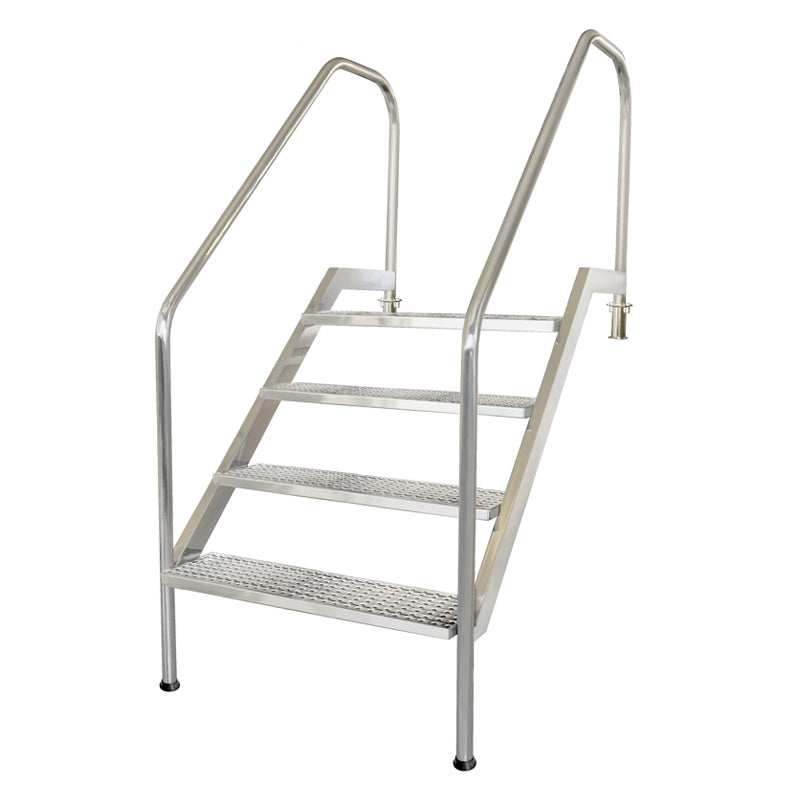
Public staircase Astralpool PRM with 3 steps
Choose your option

Public staircase Astralpool PRM 4-step staircase
Choose your option

Public staircase Astralpool PRM with 5 steps
Choose your option

Public staircase Astralpool PRM with 6 steps
Choose your option
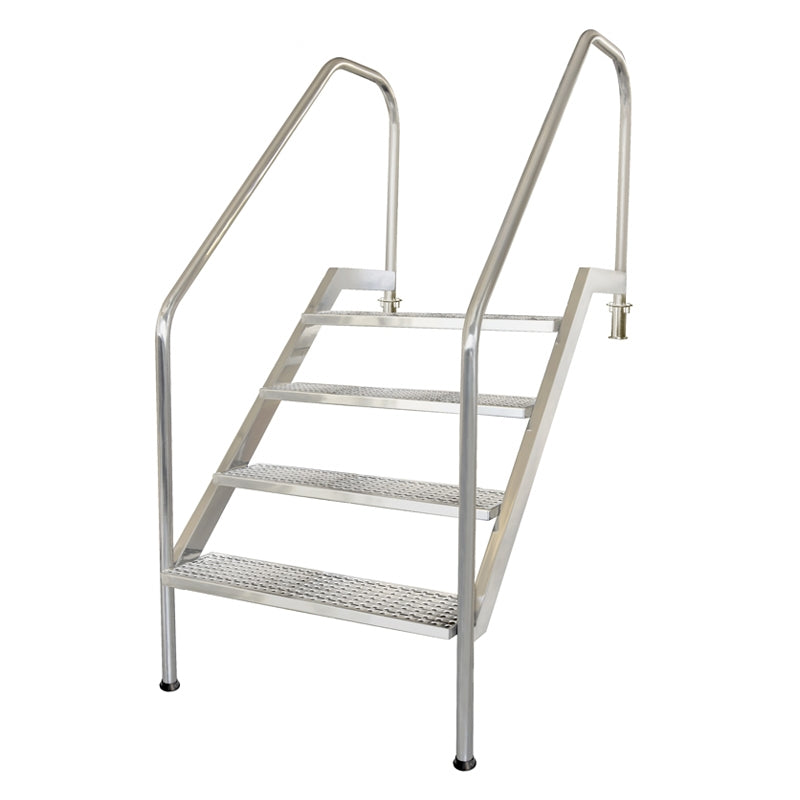
Public staircase Astralpool PRM with 7 steps
Choose your option

Public staircase Astralpool PRM with 8 steps
Choose your option

Complete Hydraulic Lift Astralpool L-1000
Choose your option

Complete Hydraulic Lift Astralpool L-650
Choose your option

Swimming pool ladder Access 4 steps
Choose your option


Questions and answers
what requirements does my pool need to install a lift?
A firm surface near the edge of the pool, electrical access (if electric lift) or a pressurized water intake (for hydraulic models) is required. Some models include mobile or fixed anchors depending on the environment.
which model allows greater autonomy for the user?
Electric lifts with remote control or integrated buttons allow completely autonomous use. Some models include folding armrests and footrests for easy transfer.
how long does it take for an elevator to make the complete transfer?
It depends on the model, but the average descent or ascent time is usually between 30 seconds and 1 minute.
can the lift be used in community pools with accessibility regulations?
Yes, as long as the model is certified in accordance with current regulations. Some municipalities even subsidize the installation of this equipment.
what maintenance should be done in winter?
It is advisable to disassemble the elevator if it is portable or cover it if it is fixed, clean it well with fresh water and store the batteries in a dry place if they are removable.
what happens if a part breaks outside the warranty period?
You can purchase original spare parts through the manufacturer or distributor. It is important to choose brands with good technical support at Espa.
are handicapped stairs fixed or removable?
They are height-adjustable ladders, easy to install and remove, ideal for installations that require flexibility of use.
how many steps can these stairs have?
They can be supplied with 4, 5, 6, 7 or 8 steps, depending on the depth of the pool. The length can be adjusted by cutting according to the technical manual.
what materials are used in their manufacture?
All ladders are made of AISI-316 stainless steel, highly resistant to corrosion, with reinforced plastic rungs with anti-slip surface.
what maintenance do these ladders require?
We recommend regular cleaning with Stainless Polishing Cleaner to maintain the original shine and avoid lime scale or corrosion marks.
Access to Swimming Pools for People with Reduced Mobility: Maximum Comfort, Safety and Social Inclusion
Swimming pool access systems for people with reduced mobility guarantee universal accessibility to aquatic spaces, considerably improving the quality of life of users.
This specialized equipment facilitates safe, comfortable and independent entry and exit to and from the water, and is essential to achieve full social and sports integration of all people.
why choose these products?
Specific access systems offer multiple important benefits:
- Greater personal independence: They facilitate autonomous access to the water without the need for constant assistance, providing confidence to the user.
- Significant increase in safety: They reduce the risk of accidents during entry and exit of the water thanks to their ergonomic and safe designs.
- Total adaptability: They are compatible with various types of pools, adapting easily to different installations.
- Promote inclusion: They help ensure equal access to sports and recreational facilities for all people, regardless of their physical conditions.
how do pool access systems for people with reduced mobility work?
These systems employ safe and reliable mechanisms, such as hydraulic, electric or manual devices, which facilitate the user's transfer from the edge to the inside of the pool.
Most include ergonomic seats or special platforms that ensure smooth and stable entry and exit. In addition, they often feature easy-to-operate controls that make customizing their use simple and convenient.
Buying guide: pool access systems for people with reduced mobility
Ensuring safe and comfortable access to the pool is a priority when it comes to people with reduced mobility.
what types of access systems are there?
Although we can find different solutions on the market, the main adapted access systems are divided into two main groups:
Hydraulic lifts
Hydraulic lifts are the most recommended option for people with very reduced mobility or even none at all. They are devices that allow the user to enter and exit the pool without the need for considerable physical effort.
- Advantages: Maximum autonomy: the user only needs to approach the lift and, with minimal assistance (or even independently, in automatic models), can transfer from the outside to the inside of the pool.
- Safety: they offer great stability during movement.
- Universal accessibility: suitable for both the elderly and wheelchair users.
- Recommended for: people with very reduced mobility, wheelchair users or those with significant movement difficulties.
Adapted stairs
Stairs adapted for people with reduced mobility are designed to facilitate access by means of wide, non-slip steps with side handrails.
- Advantages: Simplicity and lower cost compared to elevators
- Aesthetic integration in the pool.
- Quick installation without the need for hydraulic or electrical systems.
- Limitations: They require a certain degree of mobility on the part of the user: going up and down steps, even with assistance.
- Recommended for: people with mild or moderate reduced mobility, who can move around independently, although with some difficulty.


