


Dosing pump Seko Dinamik Pool pH 1.5 l/h
Choose your option

Metering pump Seko PoolOne pH 1.5 l/h
Choose your option

Peristaltic pH Regulator Pump CTX E-Series
Choose your option


Peristaltic pump Etatron MyPool (ePool) pH 3 l/h - 1.5 bar
Choose your option

Metering pump Seko PoolMatch pH 1.5 l/h with Modbus
Choose your option

PH regulator Zodiac pH Perfect model
Choose your option

Peristaltic pH pump CTX MyPool DOS
Choose your option

Metering pump Seko PoolDose pH 1.5 l/h with WiFi
Choose your option


Metering pump Seko PoolDose Double pH/ORP 1.5 l/h with WLAN
Choose your option

Peristaltic pH metering pump BSV EVo pH-P 1.5 L
Choose your option

Metering pump Seko Tekna Evo TPR 603 (PVDF-T kit)
Choose your option

Metering pump Seko Tekna Evo TPR 800 (PVDF-T kit)
Choose your option

Metering Pump Seko KemiDose Double pH/ORP 5 l/h with WiFi
Choose your option

2-metre pH electrode Hanna HI2114P
Choose your option

2 metre ORP electrode Hanna HI3214P
Choose your option
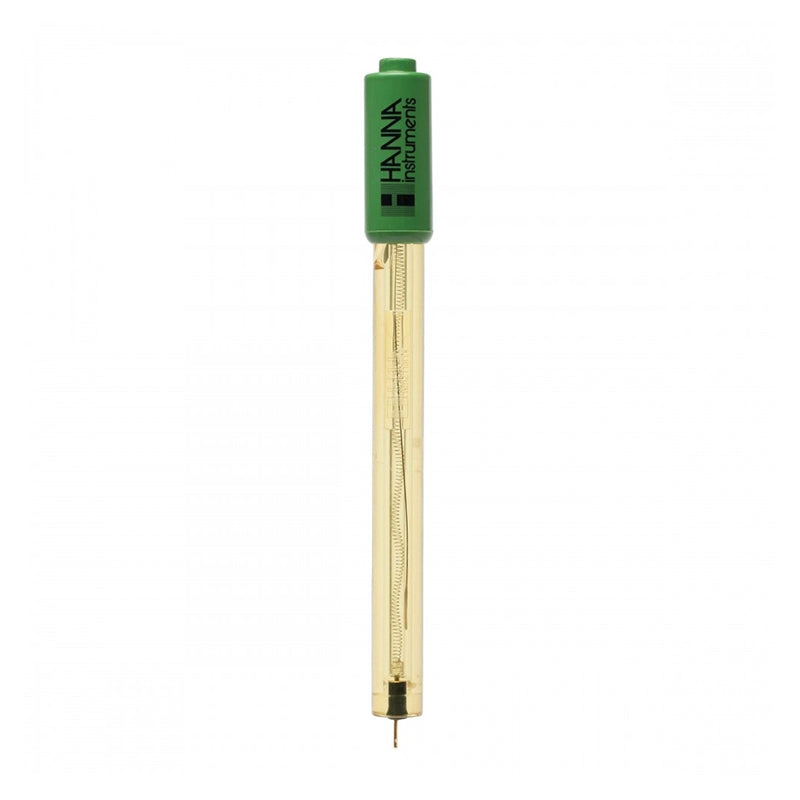
Salt electrolysis ORP electrode 3 metres Hanna HI4430B/3
Choose your option

Pod kit for Ph Cl cell support by Zodiac
Choose your option

Choose your option


Devices that automatically control the pH of the pool. A fundamental parameter for keeping pool water in good condition, preventing discomfort for swimmers and problems of corrosion or algae in the water.
Acidity regulators for pools
One of the essential elements for having perfect water for swimming is pH. This value measures the acidity or alkalinity of the water. The pH level a pool should have is between 7.2 and 7.6, on a total scale from 0 to 14. Having a pool pH regulator is therefore essential to avoid the complications that can arise.
To make sure your pool is always ready for a swim without having to worry about manual systems such as pH test kits, the best option is to use an automatic pool pH regulator. These devices not only monitor the acidity or alkalinity levels of the water, but if you buy an automatic pH dosing unit, they will regulate it automatically. That way you only have to lie back and enjoy your pool with complete peace of mind.
Contents
Low pool pH
A very common question among our customers is what happens when the levels are low. Low pH is below 7.2 and can be easily measured with any pool pH controller. In these cases the water in our pool will be acidic. The most unpleasant consequence is irritation of the skin and eyes, so swimming becomes less and less appealing. It is very important to measure the pool pH when it rains, since rain lowers the levels.
But it is not only a problem for swimmers, as these levels can also affect our pool very badly. For example, it is responsible for the appearance of ugly white stains on the pool walls. It can also corrode the metal parts in contact with the water and destabilise the chlorine.
How to raise the pool pH
As we have mentioned, the best option for having the levels always perfect for swimming is to use an automatic pH regulator and dosing unit. However, if you are going to use pool water testing kits, you need to bear in mind that you have to check at least twice a week.
To fix low pH levels, the first thing you must do is work out the volume of your pool, that is, the cubic metres of water.
If you want to know how to calculate the volume of a pool, we explain it here at Quimipool.
- For a square or rectangular pool we must multiply width by length, by average depth. Width x length x average depth = m3
- For a round pool we multiply the diameter by itself, by the average depth, by 0.79. Diameter x diameter x average depth x 0.79 = m3
- If it is an oval pool we multiply the maximum width by the maximum length, by the average depth, by 0.89. Maximum width x Maximum length x Average depth x 0.89 = m3
- If we have a double round pool we multiply the maximum width by the maximum length, by the average depth, by 0.85. Maximum width x Maximum length x Average depth x 0.85 = m3
Once we know the volume, we will know how much sodium carbonate to use to regulate the pH of our pool. That is, add a pH increaser. The amount per m3, which varies depending on the product, can be found on its product page.
High pool pH
We start to consider a pH level high when the water goes above 7.9. The basic problem in this situation is that chlorine is less effective, so the water starts to get dirty. A point is reached where the pool filter stops working because of scale build-up. You will also see algae proliferate and, occasionally, irritation in swimmers' eyes.
How to lower the pool pH
As with increasers, there are products to reduce the pool's pH level. Before applying the product, we must switch on the filtration system for about 4 hours. We can then apply the reducer, spreading it evenly across the pool.


